
Department Head Tim Douglas in an Interview
As part of the all-round carefree package that XFAIR offers its customers for all kinds of events - and especially trade fairs - we provide not only a wide range of software solutions, but also a comprehensive selection of hardware. Department Head Tim Douglas explains what really matters in this area.
Mr Douglas, the term hardware in an event context can be difficult for non-specialists to place and is often confused with the actual stand construction. Which technical devices does XFAIR use here, and what role do they play in the event world?
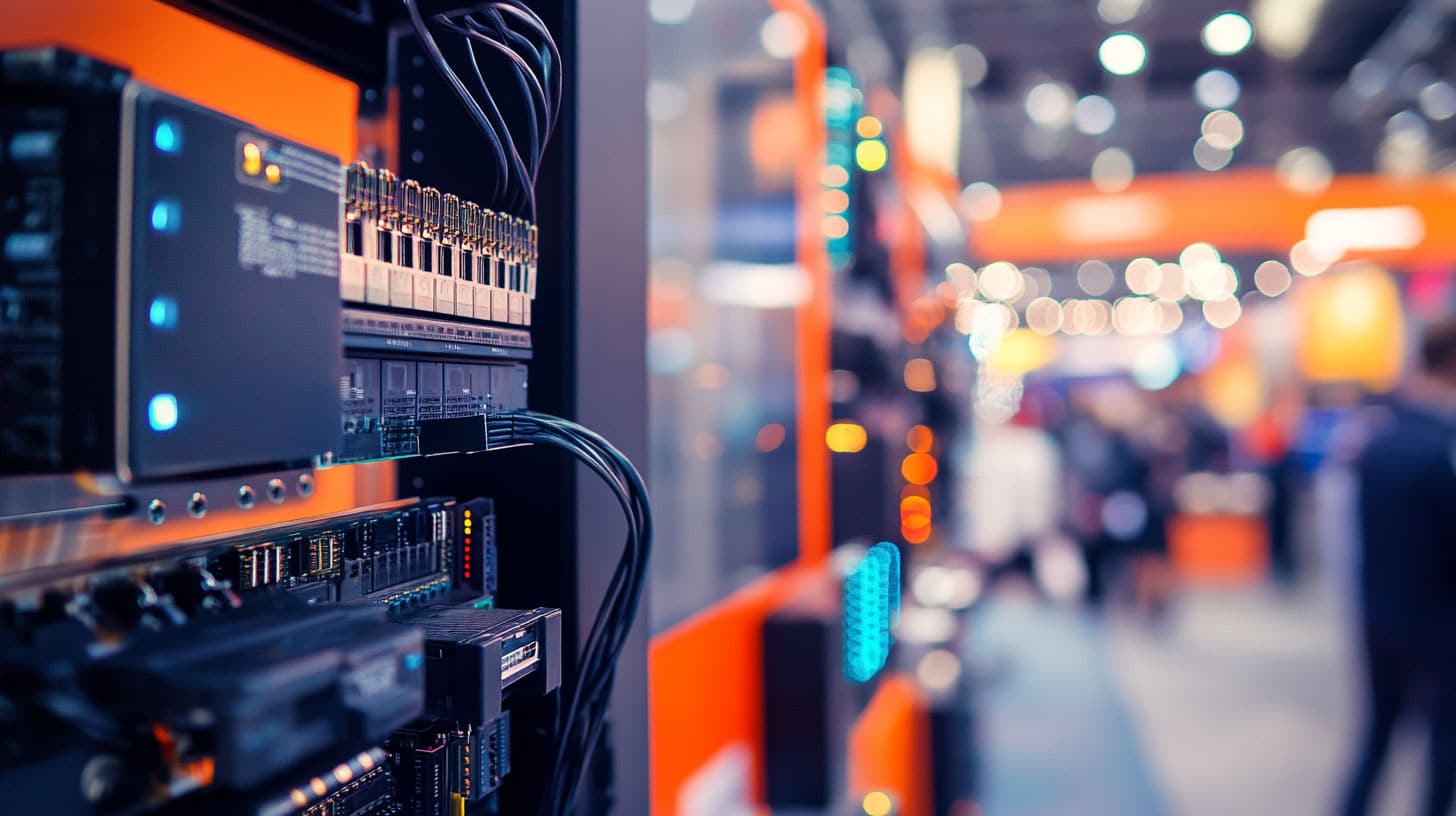
Hardware is a very broad term - it includes just about everything. It’s the same for us: we can provide an enormous range, from the firewall - essentially the first point of contact to the outside world at the trade fair when it comes to networking - right through to printers and tablets. In fact, we can supply anything digital to support the customer on the show floor. However, our core expertise in the technical department is network distribution - in plain English: bringing internet to the trade fair stand and ensuring redundancy so that, in today’s digital world, the trade fair presence works reliably.
What does the workflow look like before, during and after an event? In the software area, work is highly customised - how does that translate to the hardware side?
In principle, it’s very similar to the software side. Most of our customers come back again and again, often for the same trade fairs. Still, every show is unique, even if it’s the same customer. That means: every year something new is added, something else falls away, and customers naturally want to stay up to date and present the latest innovations. Of course, that also reflects in the devices we provide.
In this respect, we want to advise the customer in the best possible way - but also capture their requirements and implement them. For a stand with ten members of staff, for example, a small network with a firewall, switch and access point for Wi‑Fi is sufficient. But if there are around 3,000 people on the stand, plus customers, then you obviously need to scale up - and ensure redundancy behind it - and provide a wide range of hardware to match that scale. Whether it’s a catering system with a receipt printer and handheld devices, as you’d find in any restaurant these days, or a simple printer so you can quickly print something from your phone because paper documents are still used. An important element is the information desk, which is the first point of contact for every visitor, with telephone functionality to reach the responsible member of staff. Especially on a busy stand, where you can quickly lose track of who is where, that’s an important feature. Depending on the stand setup and the customer’s wishes, the hardware is selected accordingly, proposed or presented to the customer, and then configured to their requirements and security standards - as well as our own security requirements under ISO standards and the latest state of the art.
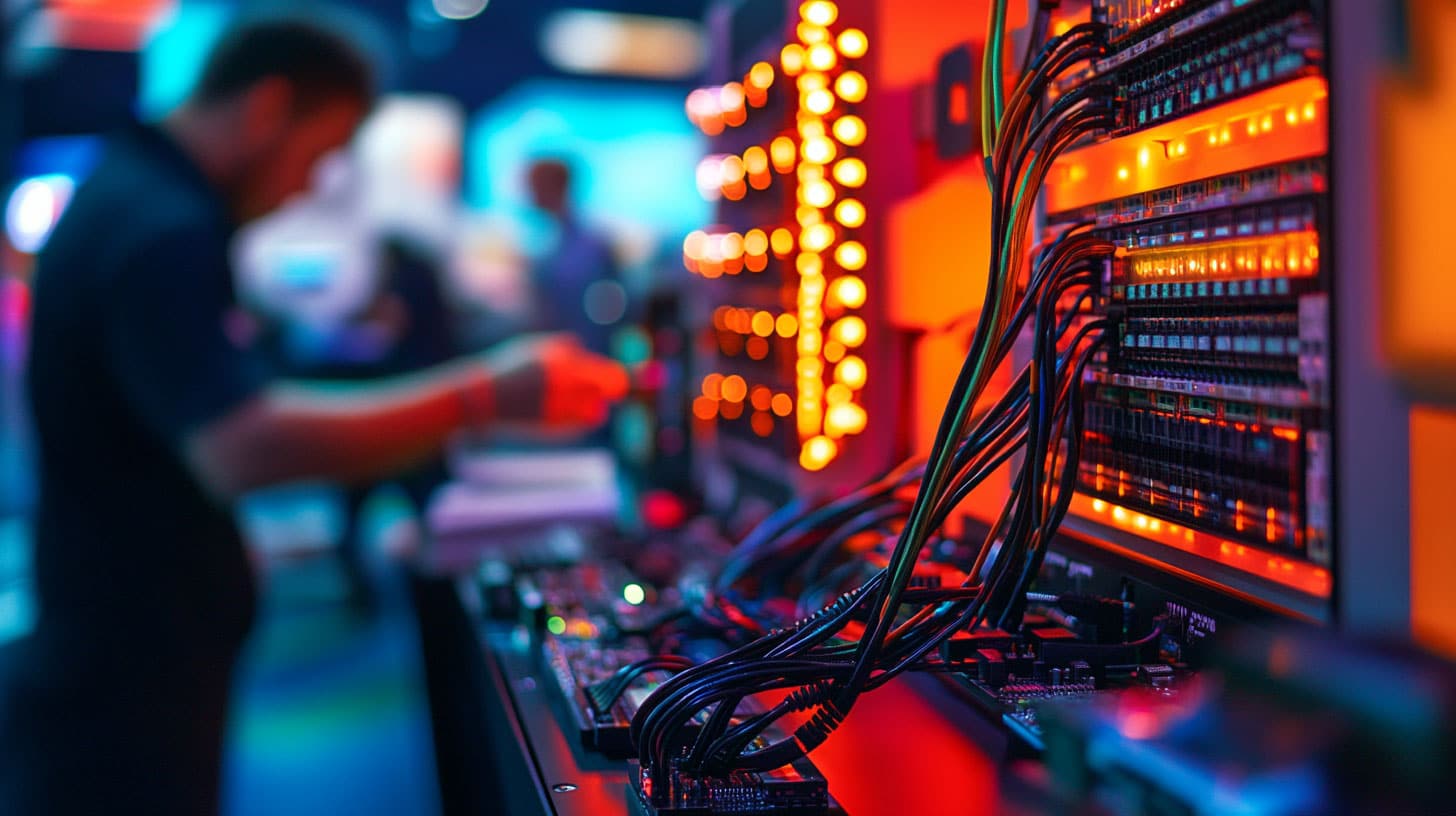
In our technical department, we have a so-called configuration area where each project is set up. We fondly call them “config U’s” because they’re always arranged like a large U made of standing tables. Here we set up the complete hardware that we’ll be taking to the trade fair once before the event, configure it and prepare it - also in segments. If we have intermediate distribution points, partial areas or external rooms at trade fairs that we have to support, we set that up in exactly the same way so that, on site, it’s plug and play. As part of this, software also comes into play and is tested together with the hardware so that the interaction runs smoothly. Whether it’s dialling technology, the automatic printing of badges (name badges) at the trade fair… all these possibilities, or catering systems, shop systems. Everything is individual - software, hardware - there’s always something new being added, and it all has to work together. That’s why we set everything up once here, to avoid sources of error at the trade fair.
On-site support is another topic for which our customers, I think, really appreciate us. For most larger stands, we always have at least one technician on site to provide support - whether it’s a power outage at the venue, a paper jam in the printer, or simply a basic question about a phone or how to use the booked app. What also happens very often are private questions that have nothing to do with our system: “Hey, I’ve got a problem with my iPhone.” We’re happy to take a look. We’re always on site, always available, always approachable, always present - but we stay in the background because we don’t want to disrupt the flow of the trade fair. Most of the time we have a technical room where we set up a workstation. There we often prepare and plan for the next trade fairs already, sometimes even together with our customers on the stand. The stand management often gives us direct feedback in these meetings: what went well, what can we optimise next time, where can we improve, and what new ideas can we develop so we can incorporate them into the next trade fair appearance and prepare accordingly.
Post-event processing is becoming more important and more time-consuming for us, and it has the same value as the preparation phase. Due to data protection requirements and IT security regulations, the effort has increased significantly - but of course it must be done properly and meticulously. For example, we have to document how and when, and by whom, each product was reset and cleaned, and that data was deleted. To carry out these measures, we set up each project again at the company after the trade fair. After post-event processing, the equipment goes to our warehouse manager, who ensures that the devices have not been damaged externally and documents the inventory.
XFAIR has its own pool of hardware, which can be made available to customers on a rental basis when needed. How does the company ensure that the technology is up to date and meets the state of the art?
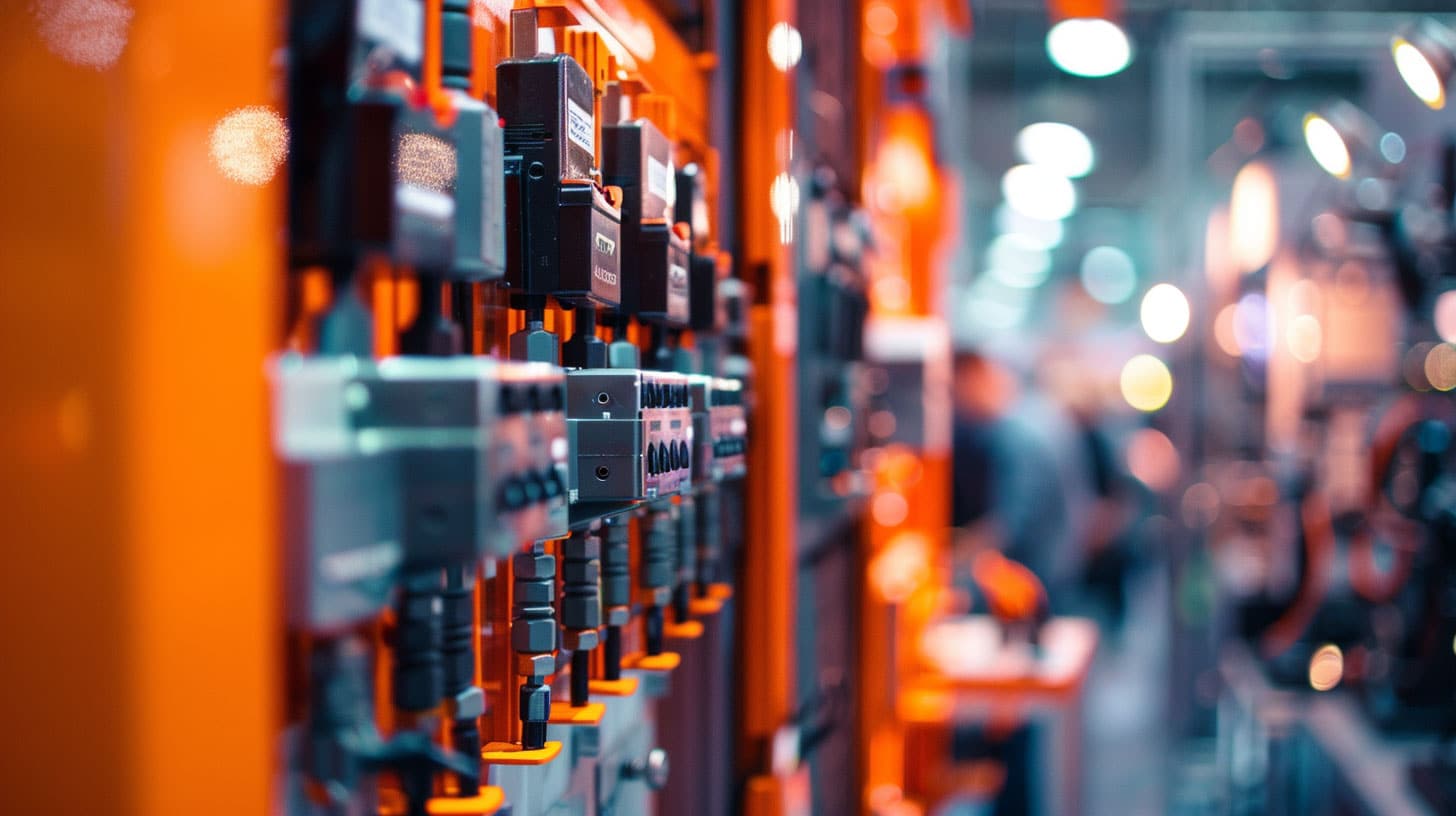
When purchasing, we always do our research. On the one hand, it often depends on the customer if they want something specific. Then we advise them accordingly - often they come with a particular product and say, “Hey, look at this, it’s cool, I want it.” We look at it and check whether there are comparable devices, sometimes even more professional ones, that are simply more durable and receive updates and security patches for longer. That’s always a key factor when buying new hardware: where do you buy it, what series is it, how long will it continue to be produced, how long are there security patches and normal updates or firmware updates for that device? That always depends on the type of device. But that’s why it plays such a major and decisive role for hardware - to ensure that we can use a product (which is often not cheap) long term, and that the purchase decision is sustainable.
As you can see, hardware at trade fairs is far more complex than simply providing screens or phones. System integration in combination with our various software solutions and apps is the be-all and end-all when it comes to ensuring a smooth trade fair process. At XFAIR, that’s something we take particularly seriously. If you’re now curious or have more detailed questions, you’re welcome to contact us directly via our contact form.